"A Victim of Its Success": Former 'Doctor Who' Star Shares Candid View on the Troubled Series
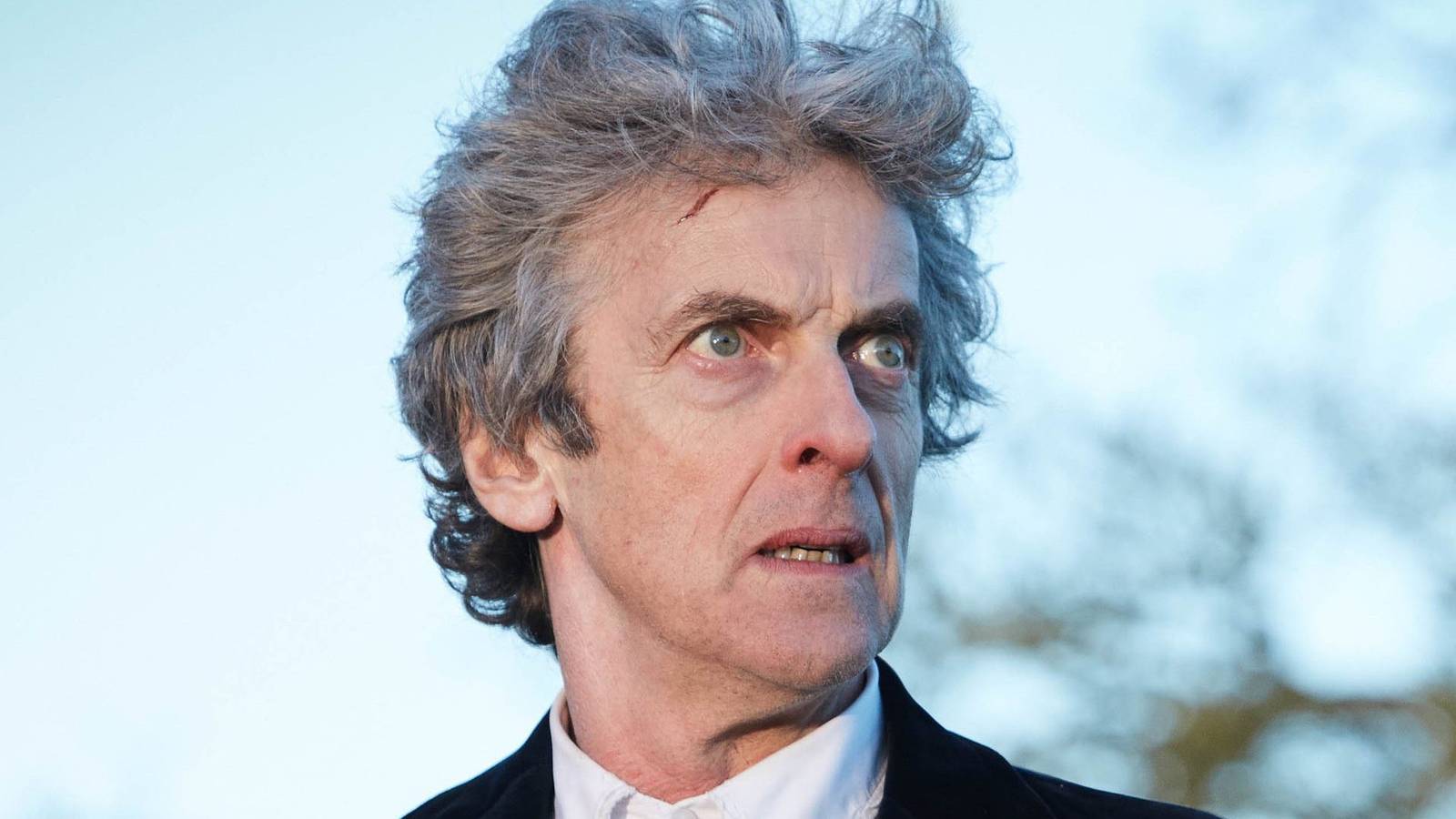
-
I agree with Peter. While I love Doctor Who the stories have all become too big, too important, sometimes you need to eat a jelly baby with your tin dog and figure out how to stop the monster made from chicken wire covered in bubble wrap spray painted green.

Yes, I realize there were no jelly babies, or tin dogs in this episode, but that sounds better than Brandy with Harry.
-
I agree with Peter. While I love Doctor Who the stories have all become too big, too important, sometimes you need to eat a jelly baby with your tin dog and figure out how to stop the monster made from chicken wire covered in bubble wrap spray painted green.
Yes, I realize there were no jelly babies, or tin dogs in this episode, but that sounds better than Brandy with Harry.
Absolutely. Longer arcs that gave stories time to breathe and flesh out. Random intrigue on alien world's out of our time. And less save the universe every season.
Explore current events through fictitious alien cultures etc. You know, the sort of things TOS and Who started out doing. The slapdash Tinkerbell resolutions that keep showing up in new Who have been some of my least favorite parts. Thankfully Capaldi's run was lighter on those. Though Tennant who I still loved over all as Who was emblematic of.
-
Absolutely. Longer arcs that gave stories time to breathe and flesh out. Random intrigue on alien world's out of our time. And less save the universe every season.
Explore current events through fictitious alien cultures etc. You know, the sort of things TOS and Who started out doing. The slapdash Tinkerbell resolutions that keep showing up in new Who have been some of my least favorite parts. Thankfully Capaldi's run was lighter on those. Though Tennant who I still loved over all as Who was emblematic of.
While I loved Tennant's tenure, it felt like episode after episode of him being the most important being in the universe. Yes there are some amazing stories during his time. I was relieved to see him go. Now it feels like every story is trying to one up those.
Give us more Empty Child and School Reunion episodes. An entire season without Daleks, Cybermen, Weeping Angels, or Judoon would be welcome.
-
Yeah I think he's kind of right. The problem is it was successful as a British TV show, but it popped off in a small way under Matt Smith in the US, and so then it became "can this be a big export franchise?". We're in an era of everything being looked at as IP and franchises.
Doctor Who might get rested but it isn't going anywhere now; it's too financially important to the BBC and also they (and other studios) think it has the potential to become a mega franchise that spins and spins money. The problem is it's fallen into an "action adventure" trap, with ever higher stakes and a need to top the last idea with something bigger and better.
It's a bit like Star Trek in that regard. What made it successful initially was that it was a decently written Sci Fi show, story of the week, sometimes hit sometimes miss. When Star Trek was good though, it was VERY good. Same with it's various spin offs like TNG, DS9 and to a lesser extent Voyager, etc. It always had some action but the films and competition with Star Wars also set it heavily down an increasingly action-adventure route instead of sci-fi or smaller people focus. When it came back it focuses on silly fan service while being lots of action sequences connected together rather than focusing on plot. Discovery was ok in parts but full of it's own self importance, ridiculous kung fu sequences and trying to raise the stakes all the time to be a compelling action show. It also went down the mystery box route, but the mysteries also had to ramp up the stakes constantly. Star Trek has lost it's way. Strange New Worlds started decently but again is gradually falling into the same trap - raise the stakes. It's basically narrative inflation, and it ultimately makes bad stories.
Doctor Who has been doing that for a while - constantly raising the stakes and getting further and further away from the characters being important. The Doctor is basically a god in the current series; he never was in the original. The way he's treated by other characters and the story arcs just makes it impossible to focus the show back down and humanise him. When the stakes become the literal multiverse every week, it's hard to care about smaller stories, and the characters smaller personal motivations and arcs just appear selfish or pointless. Who cares about a character's personal struggles, if the stakes are the death of everyone? It makes a huge disconnect for viewers between the characters and the story around them. And it's also hard to sell a show like Doctor Who to new viewers without focusing on the action and the set pieces. You start watching Doctor Who and you get told "here is this god, saving the universe". It's honestaly a crazy thing to ask people to jump into.
Doctor Who at it's best was just like Star Trek - smaller stories with compelling ideas and characters. But now it's having to be not just "monster of the week" (which was already a bad enough trap to fall in) but now super-hero story of the week. Each episode has to focus on building up hype for the ending, and connecting action set pieces. There is no room for character and story - and so it's become frankly boring and unwatchable.
It needs a complete reset - it needs to be a smaller show, with a much more focused story with lower but more important stakes. For me an obvious arc is the Doctor journeying to find his missing grand daughter. Instead of saving the universe from some mysterious threat, he should be travelling for a personal reason and having smaller adventures that showcase interesting settings and characters. We don't need monster of the week every week; it can be what the show used to do well - explore personal stories in a historical or sci fi setting. It can ground itself in a more realistic aesthetic and allow the characters and story to shine. The Doctor on a personal journey to find Susan opens so many possibilities for character development, and stakes that would allow us to empathise and connect with the character.
That's what I'd do anyway.
-
Yeah I think he's kind of right. The problem is it was successful as a British TV show, but it popped off in a small way under Matt Smith in the US, and so then it became "can this be a big export franchise?". We're in an era of everything being looked at as IP and franchises.
Doctor Who might get rested but it isn't going anywhere now; it's too financially important to the BBC and also they (and other studios) think it has the potential to become a mega franchise that spins and spins money. The problem is it's fallen into an "action adventure" trap, with ever higher stakes and a need to top the last idea with something bigger and better.
It's a bit like Star Trek in that regard. What made it successful initially was that it was a decently written Sci Fi show, story of the week, sometimes hit sometimes miss. When Star Trek was good though, it was VERY good. Same with it's various spin offs like TNG, DS9 and to a lesser extent Voyager, etc. It always had some action but the films and competition with Star Wars also set it heavily down an increasingly action-adventure route instead of sci-fi or smaller people focus. When it came back it focuses on silly fan service while being lots of action sequences connected together rather than focusing on plot. Discovery was ok in parts but full of it's own self importance, ridiculous kung fu sequences and trying to raise the stakes all the time to be a compelling action show. It also went down the mystery box route, but the mysteries also had to ramp up the stakes constantly. Star Trek has lost it's way. Strange New Worlds started decently but again is gradually falling into the same trap - raise the stakes. It's basically narrative inflation, and it ultimately makes bad stories.
Doctor Who has been doing that for a while - constantly raising the stakes and getting further and further away from the characters being important. The Doctor is basically a god in the current series; he never was in the original. The way he's treated by other characters and the story arcs just makes it impossible to focus the show back down and humanise him. When the stakes become the literal multiverse every week, it's hard to care about smaller stories, and the characters smaller personal motivations and arcs just appear selfish or pointless. Who cares about a character's personal struggles, if the stakes are the death of everyone? It makes a huge disconnect for viewers between the characters and the story around them. And it's also hard to sell a show like Doctor Who to new viewers without focusing on the action and the set pieces. You start watching Doctor Who and you get told "here is this god, saving the universe". It's honestaly a crazy thing to ask people to jump into.
Doctor Who at it's best was just like Star Trek - smaller stories with compelling ideas and characters. But now it's having to be not just "monster of the week" (which was already a bad enough trap to fall in) but now super-hero story of the week. Each episode has to focus on building up hype for the ending, and connecting action set pieces. There is no room for character and story - and so it's become frankly boring and unwatchable.
It needs a complete reset - it needs to be a smaller show, with a much more focused story with lower but more important stakes. For me an obvious arc is the Doctor journeying to find his missing grand daughter. Instead of saving the universe from some mysterious threat, he should be travelling for a personal reason and having smaller adventures that showcase interesting settings and characters. We don't need monster of the week every week; it can be what the show used to do well - explore personal stories in a historical or sci fi setting. It can ground itself in a more realistic aesthetic and allow the characters and story to shine. The Doctor on a personal journey to find Susan opens so many possibilities for character development, and stakes that would allow us to empathise and connect with the character.
That's what I'd do anyway.
Yea, you said it very well. It's a massive problem with media in general these days. They're trying to make grand adventures in everything these days instead of letting the fictitious universe itself shine.
They're creating escapism from their own IP. Everything has become escapism. It's no longer just seeing people be people in a different setting/universe with their own problems. No. It's Epic Space Danger time!!
I hate modern writing. The shows could be the most beautiful thing ever visually, but the writing will remain one dimensional hero trash. A hero isn't a hero because they're better than everyone else. A hero is a hero because they make difficult decisions wisely and stick to them.
-
Absolutely. Longer arcs that gave stories time to breathe and flesh out. Random intrigue on alien world's out of our time. And less save the universe every season.
Explore current events through fictitious alien cultures etc. You know, the sort of things TOS and Who started out doing. The slapdash Tinkerbell resolutions that keep showing up in new Who have been some of my least favorite parts. Thankfully Capaldi's run was lighter on those. Though Tennant who I still loved over all as Who was emblematic of.
Moffat was the main problem. He can write a self contained story, but not one that runs for more than an episode. Somehow, his one or two good episodes translated into letting him be the showrunner for half a decade, littering "mystery boxes" all over. The whole arch of 11 for example is just amazingly stupid one offs becoming "epic" plot points for no reason and making no sense. Plastic lifesize roman soliders? Melting babies? WHOOOOOO!!
He does the same "just put a hook or mystery in the episode to string the rubes along, we will figure it out latter" that Abrams did in Lost. They dont give a shit about the long arc, so they just make a mess of contradictions and ass pulls to pretend it all ties together.
You can see it in what he did to Sherlock and his earlier series Jekyll too. Hbomberguy has a great video about it.
-
Moffat was the main problem. He can write a self contained story, but not one that runs for more than an episode. Somehow, his one or two good episodes translated into letting him be the showrunner for half a decade, littering "mystery boxes" all over. The whole arch of 11 for example is just amazingly stupid one offs becoming "epic" plot points for no reason and making no sense. Plastic lifesize roman soliders? Melting babies? WHOOOOOO!!
He does the same "just put a hook or mystery in the episode to string the rubes along, we will figure it out latter" that Abrams did in Lost. They dont give a shit about the long arc, so they just make a mess of contradictions and ass pulls to pretend it all ties together.
You can see it in what he did to Sherlock and his earlier series Jekyll too. Hbomberguy has a great video about it.
Yes, I can definitely agree with that as well.
-
Yeah I think he's kind of right. The problem is it was successful as a British TV show, but it popped off in a small way under Matt Smith in the US, and so then it became "can this be a big export franchise?". We're in an era of everything being looked at as IP and franchises.
Doctor Who might get rested but it isn't going anywhere now; it's too financially important to the BBC and also they (and other studios) think it has the potential to become a mega franchise that spins and spins money. The problem is it's fallen into an "action adventure" trap, with ever higher stakes and a need to top the last idea with something bigger and better.
It's a bit like Star Trek in that regard. What made it successful initially was that it was a decently written Sci Fi show, story of the week, sometimes hit sometimes miss. When Star Trek was good though, it was VERY good. Same with it's various spin offs like TNG, DS9 and to a lesser extent Voyager, etc. It always had some action but the films and competition with Star Wars also set it heavily down an increasingly action-adventure route instead of sci-fi or smaller people focus. When it came back it focuses on silly fan service while being lots of action sequences connected together rather than focusing on plot. Discovery was ok in parts but full of it's own self importance, ridiculous kung fu sequences and trying to raise the stakes all the time to be a compelling action show. It also went down the mystery box route, but the mysteries also had to ramp up the stakes constantly. Star Trek has lost it's way. Strange New Worlds started decently but again is gradually falling into the same trap - raise the stakes. It's basically narrative inflation, and it ultimately makes bad stories.
Doctor Who has been doing that for a while - constantly raising the stakes and getting further and further away from the characters being important. The Doctor is basically a god in the current series; he never was in the original. The way he's treated by other characters and the story arcs just makes it impossible to focus the show back down and humanise him. When the stakes become the literal multiverse every week, it's hard to care about smaller stories, and the characters smaller personal motivations and arcs just appear selfish or pointless. Who cares about a character's personal struggles, if the stakes are the death of everyone? It makes a huge disconnect for viewers between the characters and the story around them. And it's also hard to sell a show like Doctor Who to new viewers without focusing on the action and the set pieces. You start watching Doctor Who and you get told "here is this god, saving the universe". It's honestaly a crazy thing to ask people to jump into.
Doctor Who at it's best was just like Star Trek - smaller stories with compelling ideas and characters. But now it's having to be not just "monster of the week" (which was already a bad enough trap to fall in) but now super-hero story of the week. Each episode has to focus on building up hype for the ending, and connecting action set pieces. There is no room for character and story - and so it's become frankly boring and unwatchable.
It needs a complete reset - it needs to be a smaller show, with a much more focused story with lower but more important stakes. For me an obvious arc is the Doctor journeying to find his missing grand daughter. Instead of saving the universe from some mysterious threat, he should be travelling for a personal reason and having smaller adventures that showcase interesting settings and characters. We don't need monster of the week every week; it can be what the show used to do well - explore personal stories in a historical or sci fi setting. It can ground itself in a more realistic aesthetic and allow the characters and story to shine. The Doctor on a personal journey to find Susan opens so many possibilities for character development, and stakes that would allow us to empathise and connect with the character.
That's what I'd do anyway.
A good tell if a show is going to be utter dogshit, these days, is if they have a little segment at the end with the cast and crew having a wank over the source material for ten minutes.
-
this applies to star trek too.
-
Yeah I think he's kind of right. The problem is it was successful as a British TV show, but it popped off in a small way under Matt Smith in the US, and so then it became "can this be a big export franchise?". We're in an era of everything being looked at as IP and franchises.
Doctor Who might get rested but it isn't going anywhere now; it's too financially important to the BBC and also they (and other studios) think it has the potential to become a mega franchise that spins and spins money. The problem is it's fallen into an "action adventure" trap, with ever higher stakes and a need to top the last idea with something bigger and better.
It's a bit like Star Trek in that regard. What made it successful initially was that it was a decently written Sci Fi show, story of the week, sometimes hit sometimes miss. When Star Trek was good though, it was VERY good. Same with it's various spin offs like TNG, DS9 and to a lesser extent Voyager, etc. It always had some action but the films and competition with Star Wars also set it heavily down an increasingly action-adventure route instead of sci-fi or smaller people focus. When it came back it focuses on silly fan service while being lots of action sequences connected together rather than focusing on plot. Discovery was ok in parts but full of it's own self importance, ridiculous kung fu sequences and trying to raise the stakes all the time to be a compelling action show. It also went down the mystery box route, but the mysteries also had to ramp up the stakes constantly. Star Trek has lost it's way. Strange New Worlds started decently but again is gradually falling into the same trap - raise the stakes. It's basically narrative inflation, and it ultimately makes bad stories.
Doctor Who has been doing that for a while - constantly raising the stakes and getting further and further away from the characters being important. The Doctor is basically a god in the current series; he never was in the original. The way he's treated by other characters and the story arcs just makes it impossible to focus the show back down and humanise him. When the stakes become the literal multiverse every week, it's hard to care about smaller stories, and the characters smaller personal motivations and arcs just appear selfish or pointless. Who cares about a character's personal struggles, if the stakes are the death of everyone? It makes a huge disconnect for viewers between the characters and the story around them. And it's also hard to sell a show like Doctor Who to new viewers without focusing on the action and the set pieces. You start watching Doctor Who and you get told "here is this god, saving the universe". It's honestaly a crazy thing to ask people to jump into.
Doctor Who at it's best was just like Star Trek - smaller stories with compelling ideas and characters. But now it's having to be not just "monster of the week" (which was already a bad enough trap to fall in) but now super-hero story of the week. Each episode has to focus on building up hype for the ending, and connecting action set pieces. There is no room for character and story - and so it's become frankly boring and unwatchable.
It needs a complete reset - it needs to be a smaller show, with a much more focused story with lower but more important stakes. For me an obvious arc is the Doctor journeying to find his missing grand daughter. Instead of saving the universe from some mysterious threat, he should be travelling for a personal reason and having smaller adventures that showcase interesting settings and characters. We don't need monster of the week every week; it can be what the show used to do well - explore personal stories in a historical or sci fi setting. It can ground itself in a more realistic aesthetic and allow the characters and story to shine. The Doctor on a personal journey to find Susan opens so many possibilities for character development, and stakes that would allow us to empathise and connect with the character.
That's what I'd do anyway.
I lay a lot of the blame at J.J. Abrams’ feet, not necessarily because he directed both Star Trek and Star Wars (though somewhat because of that) but because of Lost specifically. He largely started this trend of every episode being a cliffhanger and every plot point needing to top the last. At the time it was a fresh way of seeing a story which is why it became the trend, I don’t understand why it won’t go away though. In the end, Lost is largely remembered as having lost the plot much like Game of Thrones or more recently Stranger Things. They don’t start these things with an actual plan anymore and frankly I see that as the big problem. Take MASH for instance, they knew they that no matter what happened in between the show would end with the end of the war. They don’t even start shows with that little a plan anymore.
-
Yeah I think he's kind of right. The problem is it was successful as a British TV show, but it popped off in a small way under Matt Smith in the US, and so then it became "can this be a big export franchise?". We're in an era of everything being looked at as IP and franchises.
Doctor Who might get rested but it isn't going anywhere now; it's too financially important to the BBC and also they (and other studios) think it has the potential to become a mega franchise that spins and spins money. The problem is it's fallen into an "action adventure" trap, with ever higher stakes and a need to top the last idea with something bigger and better.
It's a bit like Star Trek in that regard. What made it successful initially was that it was a decently written Sci Fi show, story of the week, sometimes hit sometimes miss. When Star Trek was good though, it was VERY good. Same with it's various spin offs like TNG, DS9 and to a lesser extent Voyager, etc. It always had some action but the films and competition with Star Wars also set it heavily down an increasingly action-adventure route instead of sci-fi or smaller people focus. When it came back it focuses on silly fan service while being lots of action sequences connected together rather than focusing on plot. Discovery was ok in parts but full of it's own self importance, ridiculous kung fu sequences and trying to raise the stakes all the time to be a compelling action show. It also went down the mystery box route, but the mysteries also had to ramp up the stakes constantly. Star Trek has lost it's way. Strange New Worlds started decently but again is gradually falling into the same trap - raise the stakes. It's basically narrative inflation, and it ultimately makes bad stories.
Doctor Who has been doing that for a while - constantly raising the stakes and getting further and further away from the characters being important. The Doctor is basically a god in the current series; he never was in the original. The way he's treated by other characters and the story arcs just makes it impossible to focus the show back down and humanise him. When the stakes become the literal multiverse every week, it's hard to care about smaller stories, and the characters smaller personal motivations and arcs just appear selfish or pointless. Who cares about a character's personal struggles, if the stakes are the death of everyone? It makes a huge disconnect for viewers between the characters and the story around them. And it's also hard to sell a show like Doctor Who to new viewers without focusing on the action and the set pieces. You start watching Doctor Who and you get told "here is this god, saving the universe". It's honestaly a crazy thing to ask people to jump into.
Doctor Who at it's best was just like Star Trek - smaller stories with compelling ideas and characters. But now it's having to be not just "monster of the week" (which was already a bad enough trap to fall in) but now super-hero story of the week. Each episode has to focus on building up hype for the ending, and connecting action set pieces. There is no room for character and story - and so it's become frankly boring and unwatchable.
It needs a complete reset - it needs to be a smaller show, with a much more focused story with lower but more important stakes. For me an obvious arc is the Doctor journeying to find his missing grand daughter. Instead of saving the universe from some mysterious threat, he should be travelling for a personal reason and having smaller adventures that showcase interesting settings and characters. We don't need monster of the week every week; it can be what the show used to do well - explore personal stories in a historical or sci fi setting. It can ground itself in a more realistic aesthetic and allow the characters and story to shine. The Doctor on a personal journey to find Susan opens so many possibilities for character development, and stakes that would allow us to empathise and connect with the character.
That's what I'd do anyway.
What made Doctor Who great was Davie's writing. It was a good mix of monster of the week, massive story arc, and recurring characters with a monster of the week. Moffat wasn't quite as good, but was still respectable.
-
Yeah I think he's kind of right. The problem is it was successful as a British TV show, but it popped off in a small way under Matt Smith in the US, and so then it became "can this be a big export franchise?". We're in an era of everything being looked at as IP and franchises.
Doctor Who might get rested but it isn't going anywhere now; it's too financially important to the BBC and also they (and other studios) think it has the potential to become a mega franchise that spins and spins money. The problem is it's fallen into an "action adventure" trap, with ever higher stakes and a need to top the last idea with something bigger and better.
It's a bit like Star Trek in that regard. What made it successful initially was that it was a decently written Sci Fi show, story of the week, sometimes hit sometimes miss. When Star Trek was good though, it was VERY good. Same with it's various spin offs like TNG, DS9 and to a lesser extent Voyager, etc. It always had some action but the films and competition with Star Wars also set it heavily down an increasingly action-adventure route instead of sci-fi or smaller people focus. When it came back it focuses on silly fan service while being lots of action sequences connected together rather than focusing on plot. Discovery was ok in parts but full of it's own self importance, ridiculous kung fu sequences and trying to raise the stakes all the time to be a compelling action show. It also went down the mystery box route, but the mysteries also had to ramp up the stakes constantly. Star Trek has lost it's way. Strange New Worlds started decently but again is gradually falling into the same trap - raise the stakes. It's basically narrative inflation, and it ultimately makes bad stories.
Doctor Who has been doing that for a while - constantly raising the stakes and getting further and further away from the characters being important. The Doctor is basically a god in the current series; he never was in the original. The way he's treated by other characters and the story arcs just makes it impossible to focus the show back down and humanise him. When the stakes become the literal multiverse every week, it's hard to care about smaller stories, and the characters smaller personal motivations and arcs just appear selfish or pointless. Who cares about a character's personal struggles, if the stakes are the death of everyone? It makes a huge disconnect for viewers between the characters and the story around them. And it's also hard to sell a show like Doctor Who to new viewers without focusing on the action and the set pieces. You start watching Doctor Who and you get told "here is this god, saving the universe". It's honestaly a crazy thing to ask people to jump into.
Doctor Who at it's best was just like Star Trek - smaller stories with compelling ideas and characters. But now it's having to be not just "monster of the week" (which was already a bad enough trap to fall in) but now super-hero story of the week. Each episode has to focus on building up hype for the ending, and connecting action set pieces. There is no room for character and story - and so it's become frankly boring and unwatchable.
It needs a complete reset - it needs to be a smaller show, with a much more focused story with lower but more important stakes. For me an obvious arc is the Doctor journeying to find his missing grand daughter. Instead of saving the universe from some mysterious threat, he should be travelling for a personal reason and having smaller adventures that showcase interesting settings and characters. We don't need monster of the week every week; it can be what the show used to do well - explore personal stories in a historical or sci fi setting. It can ground itself in a more realistic aesthetic and allow the characters and story to shine. The Doctor on a personal journey to find Susan opens so many possibilities for character development, and stakes that would allow us to empathise and connect with the character.
That's what I'd do anyway.
It popped of in the US under David Tenant but continued to take off after Matt Smith took the role.
Great comment, though, and I largely agree.